
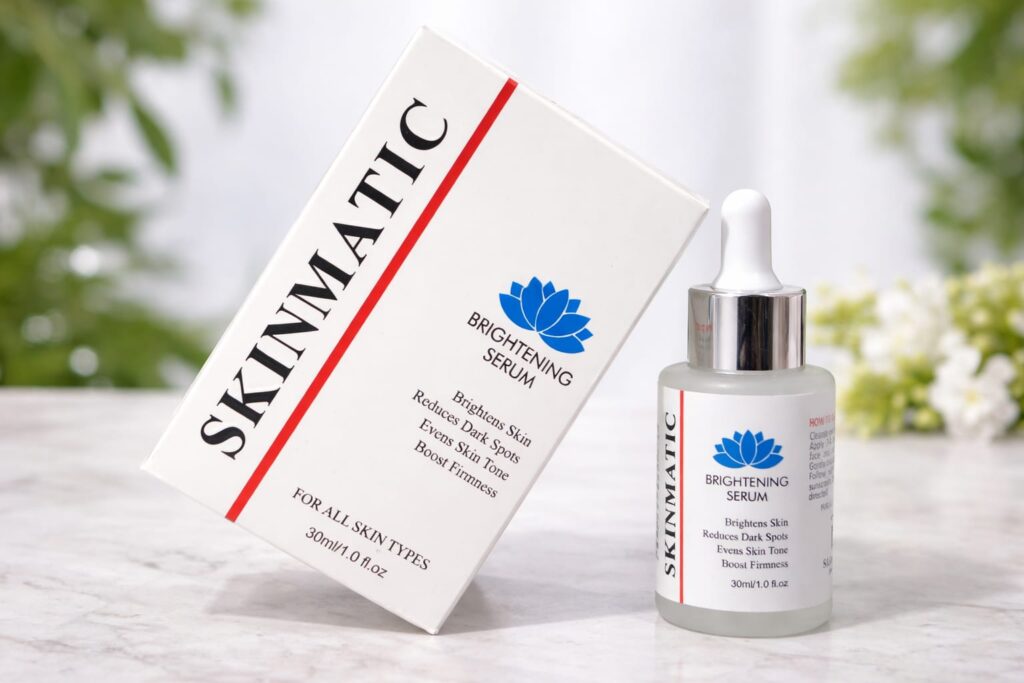
Dark spots covers a few different things. Working out which one you have tells you whether to wait, treat or see a dermatologist.
Flat red or pink marks left after a spot has healed are caused by dilated blood vessels, not pigment. They usually fade on their own over a few months. Sunscreen and gentle care help; brightening serums do little.
Post-inflammatory hyperpigmentation is extra pigment made in response to inflammation. It is more common and longer-lasting on medium and deeper skin tones, and it can take several months to fade.
Spots that appear in sun-exposed areas, or larger symmetrical patches on the cheeks, forehead or upper lip, are driven by UV and sometimes hormones. These respond slowly and come back quickly without sun protection.
See a dermatologist for any spot that changes shape, colour or size, bleeds, or looks different from the others.